Could agents bring the single store back into fashion?
Matt Pocock’s November 1 provocation is not a new framework release. It is a question about architecture: if agents must navigate our software, can clearer state ownership reduce the number of decisions they need to make?
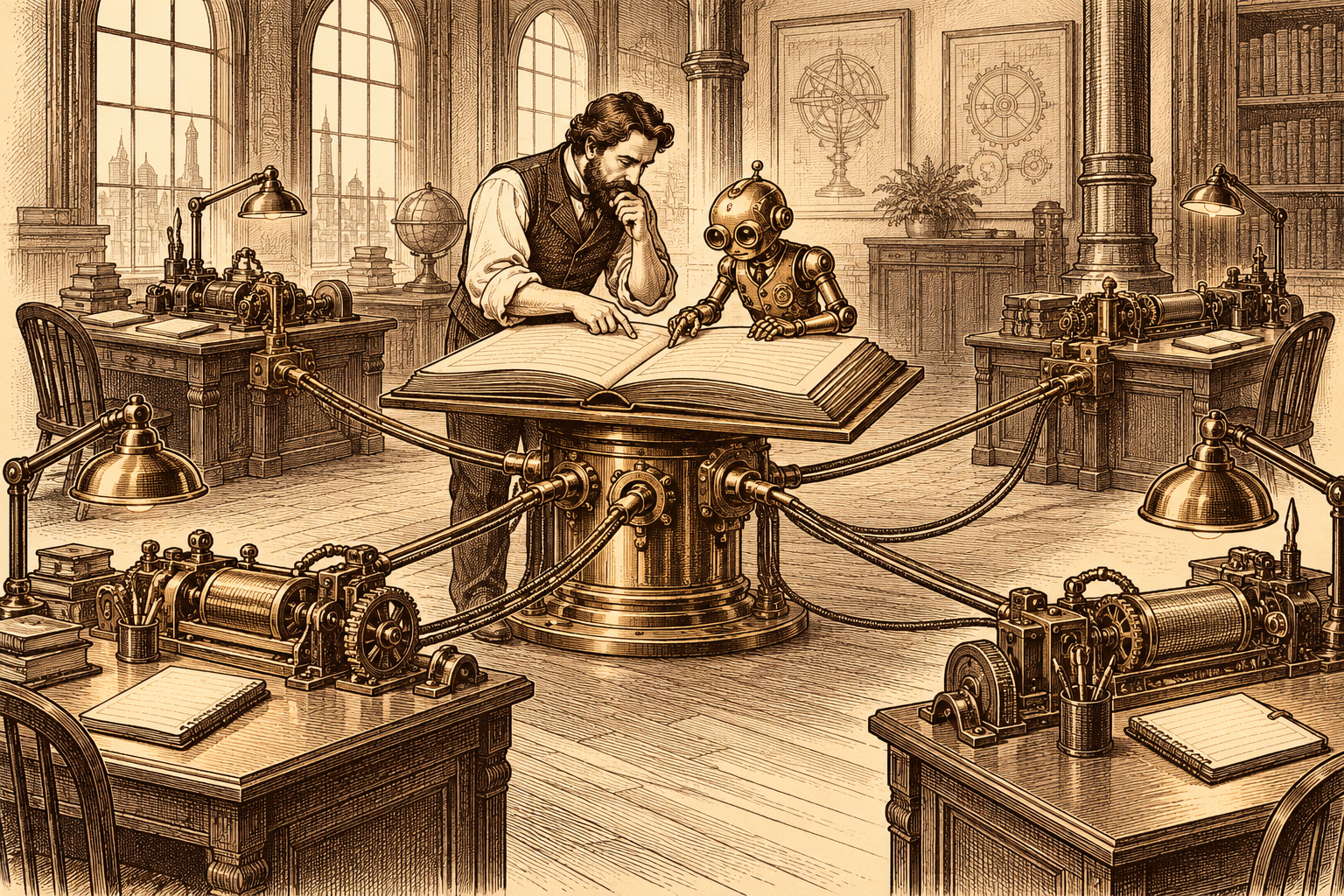
Pocock suggests ↗ that Redux, or something like it, might deserve a comeback because a single home for state could constrain an agent’s decision space. That is an architectural hypothesis, not a measured finding that Redux improves coding-agent accuracy. His post does not announce a Redux release or a migration requirement.
The existing Redux principles help sharpen the proposal. They describe global application state in one store, changes expressed as actions, and state transitions implemented through pure reducers. A readable sequence of events can make “what changed?” easier to inspect. These are established ideas, not features invented for the agent era.
But the project’s own state-organization FAQ ↗ explicitly permits local component state. A dropdown’s open flag and an unfinished form need not be promoted into the global store simply to satisfy a slogan. The relevant questions include whether other components need the data, whether it drives derived values, and whether restoring or sharing it has value. The same FAQ favors normalized collections: store an entity once and refer to it by ID rather than copying it everywhere.
The Gazette’s reading: the useful constraint may be less “one store for everything” than “one clear owner for each fact.” If a customer name appears in a server response, a query cache, a form draft, and a derived view, a developer—or an agent—needs to know which copy is authoritative and when the others are expected to differ. Moving every value into a single object does not answer that question by itself.
A practical thought experiment is to give an agent a modest change: update a shared value and explain every dependent view. Can it identify the write path, distinguish a temporary draft from persisted data, and name the behavior that proves the change worked? That is an editorial evaluation idea, not a test we have run today.
The comeback worth watching is therefore broader than one library. Predictable transitions, explicit ownership, and fewer accidental copies are qualities humans also appreciate. Agents may give teams another reason to value them, but they do not remove the need to choose boundaries carefully.
 ↗